ArtMorph Aboard MSC Magnifica: Proven Performance in a Demanding Environment
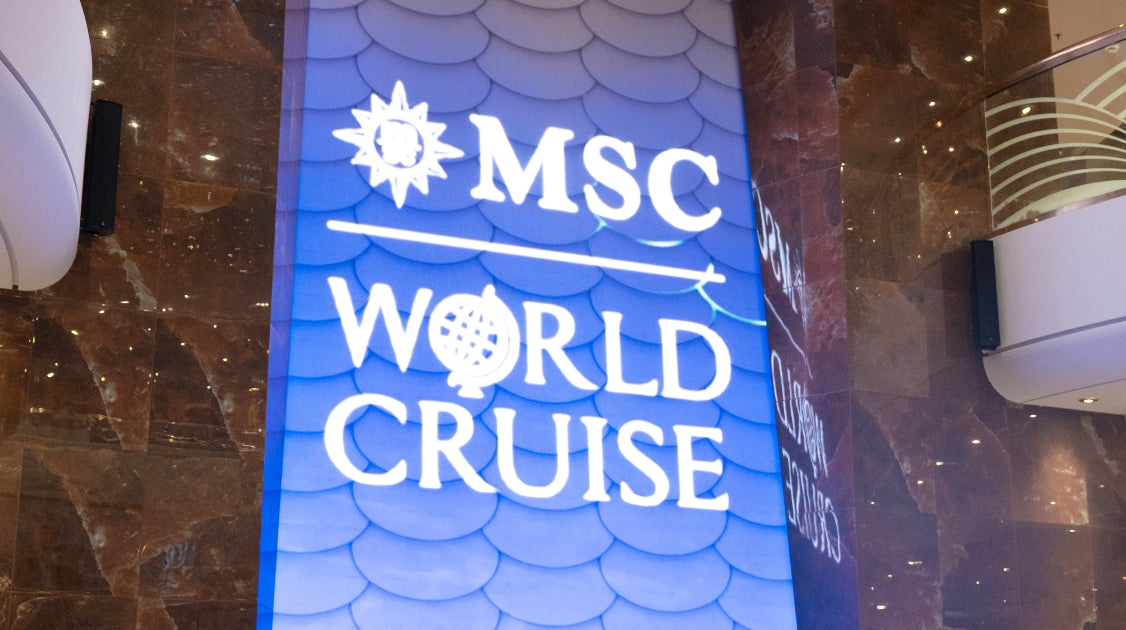
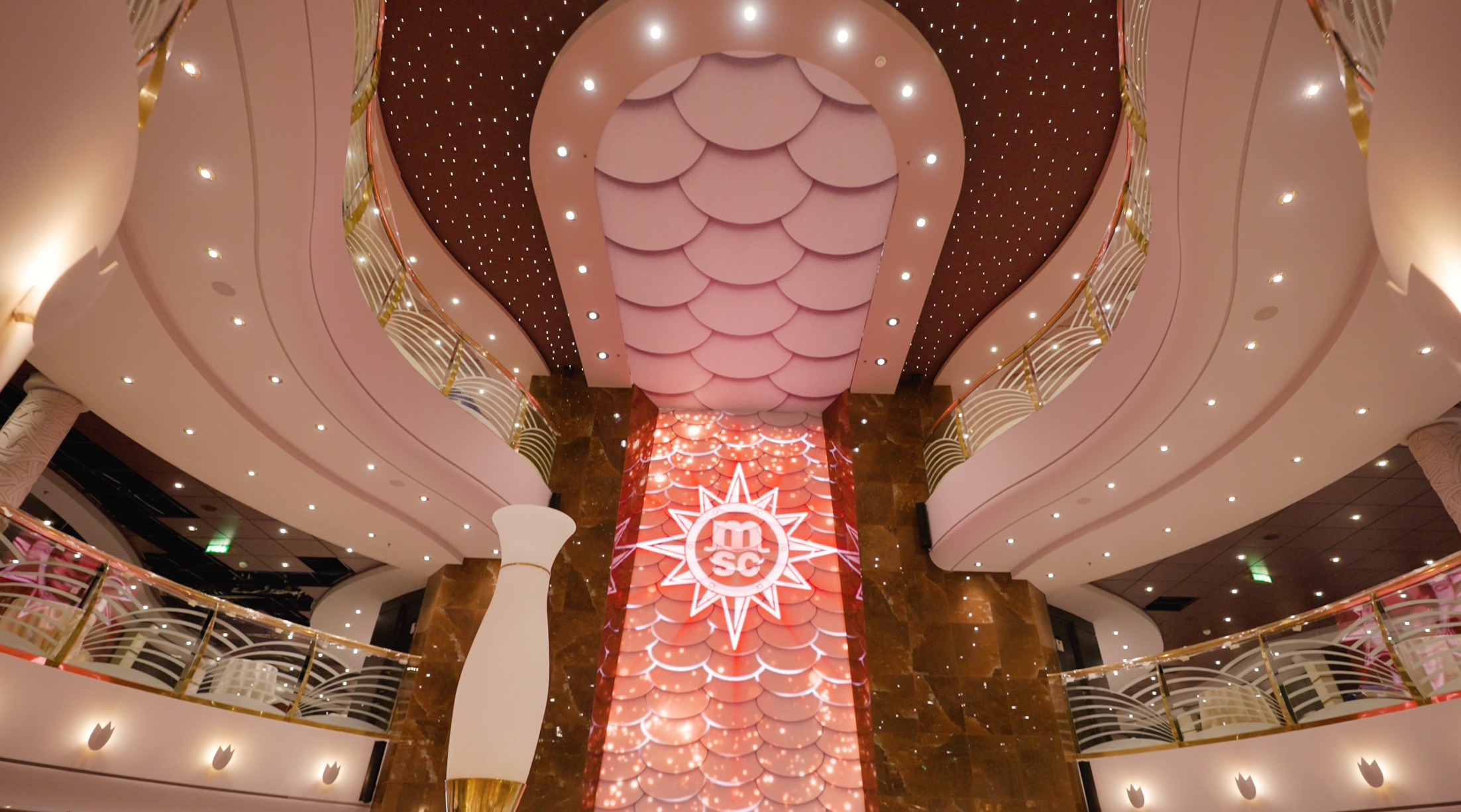
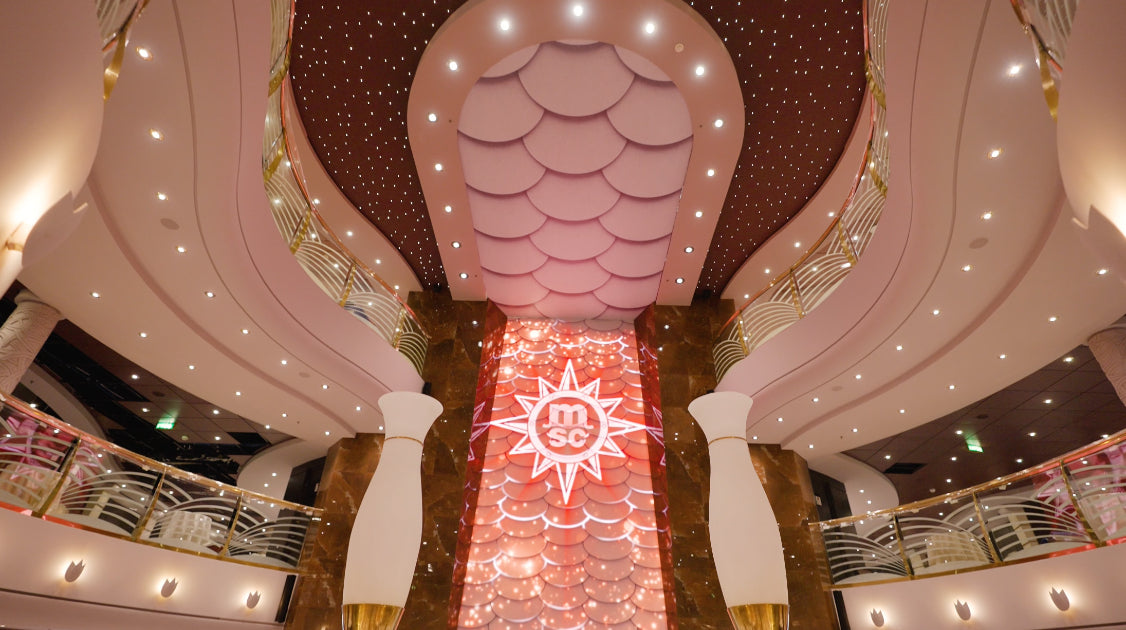
Aboard MSC Magnifica, CECOCECO has completed an ArtMorph installation spanning both a vertical feature wall and a suspended ceiling within the ship’s main atrium. The installation forms a continuous luminous surface across connected planes in one of the vessel’s most active public spaces, where spatial clarity, safety, and long-term reliability are critical.
Unlike conventional interior projects, cruise ship environments impost a unique set of constraints. Surface integrated into a ship's public space must comply with strict safety regulations, be installed within limited installation windows, and remain stable and visually consistent under continuouse operation. Structural movement, vibration, and long-term exposure to marine conditions all place higher demands on systerm performance than typical architectural settings.
Introduced as part of MSC Cruises’ atrium refurbishment, ArtMorph replaced the original backlit feature with a surface-based installation that integrates light directly into the material. The intervention reshapes the spatial presence of the atrium while preserving its circulation and functional layout, allowing the space to evolve visually without altering its operational logic.

Cruise Ship Installation Conditions
The atrium aboard MSC Magnifica combines high ceilings, connected vertical surfaces, and continuous passenger circulation, forming a central gathering space with little tolerance for disruption or misalignment. The ArtMorph installation spans 50.75 m², covering both the vertical feature wall and the ceiling, which join at an angle of approximately 75 degrees. Installation heights reached up to 8 meters, imposing constraints on conventional construction methods and requiring precise alignment across planes.
Work was carried out within a limited shipyard window, with installation access governed by the vessel's existing structural framework. Beyond installation, the system need to account for the ship's ongoing operation, ensuring surface stability and visual continuity despite structural movement and long-term use in a marine environment.

A System-Level Installation Approach
Standard installation solutions were not sufficient for the atrium’s geometry and operational requirements. In response, the CECOCECO team developed a tailored installation approach tailored specifically for this application.
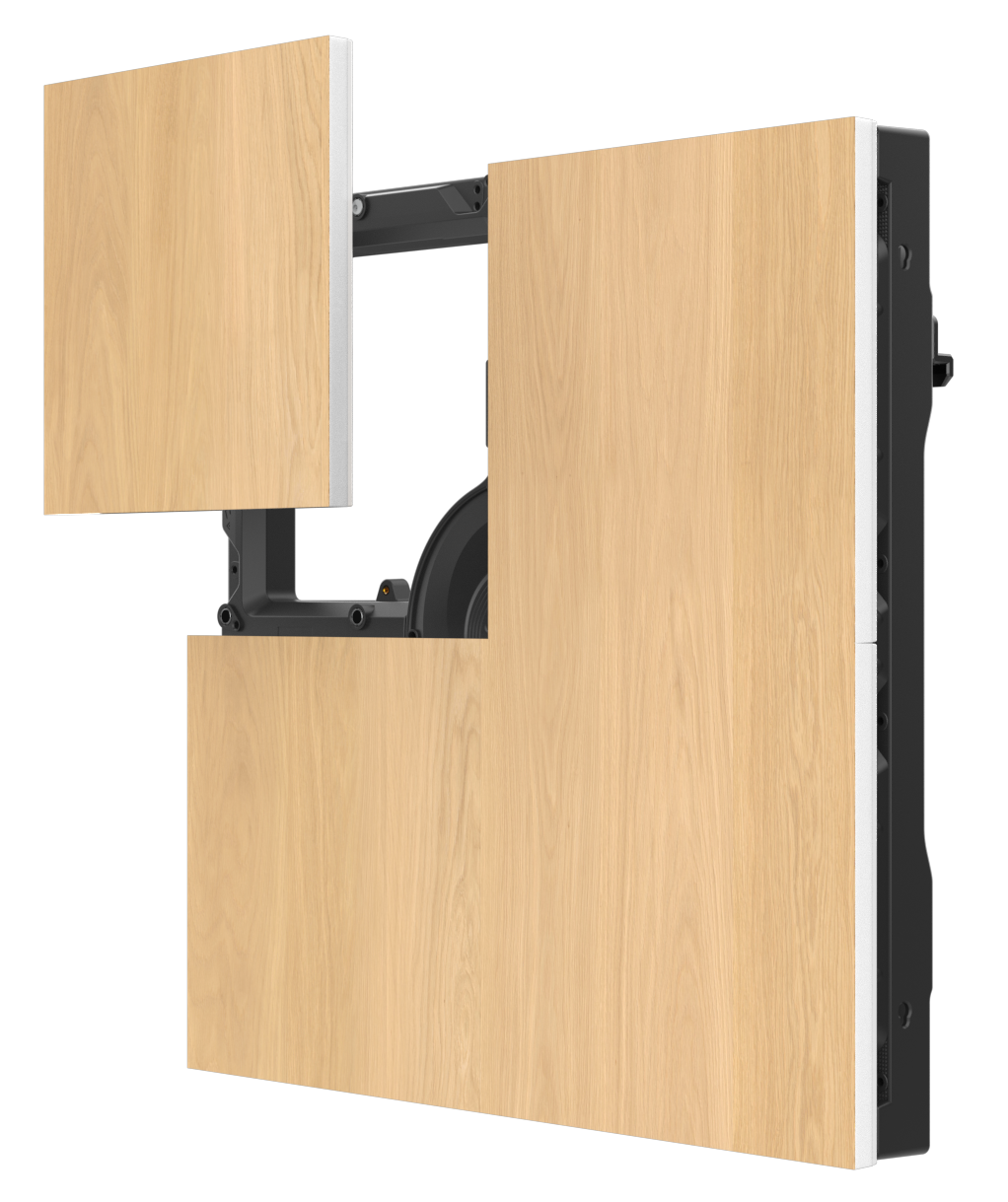
A custom structural support system was implemented to enable precise alignment across both vertical and overhead planes, ensuring continuity between wall and ceiling surfaces. Rear support and fine-adjustment components were integrated to accommodate structural tolerances while securing the panels in accordance with cruise ship safety standards. This system-level approach allows the installation to remain stable during operation while preserving the visual integrity of the continuous surface.

Spatial Integration and Surface Expression
The wall and ceiling were conceived as a single, continuous field. Luminance, pattern, and texture were carefully coordinated across both planes to maintain visual consistency and spatial rhythm.
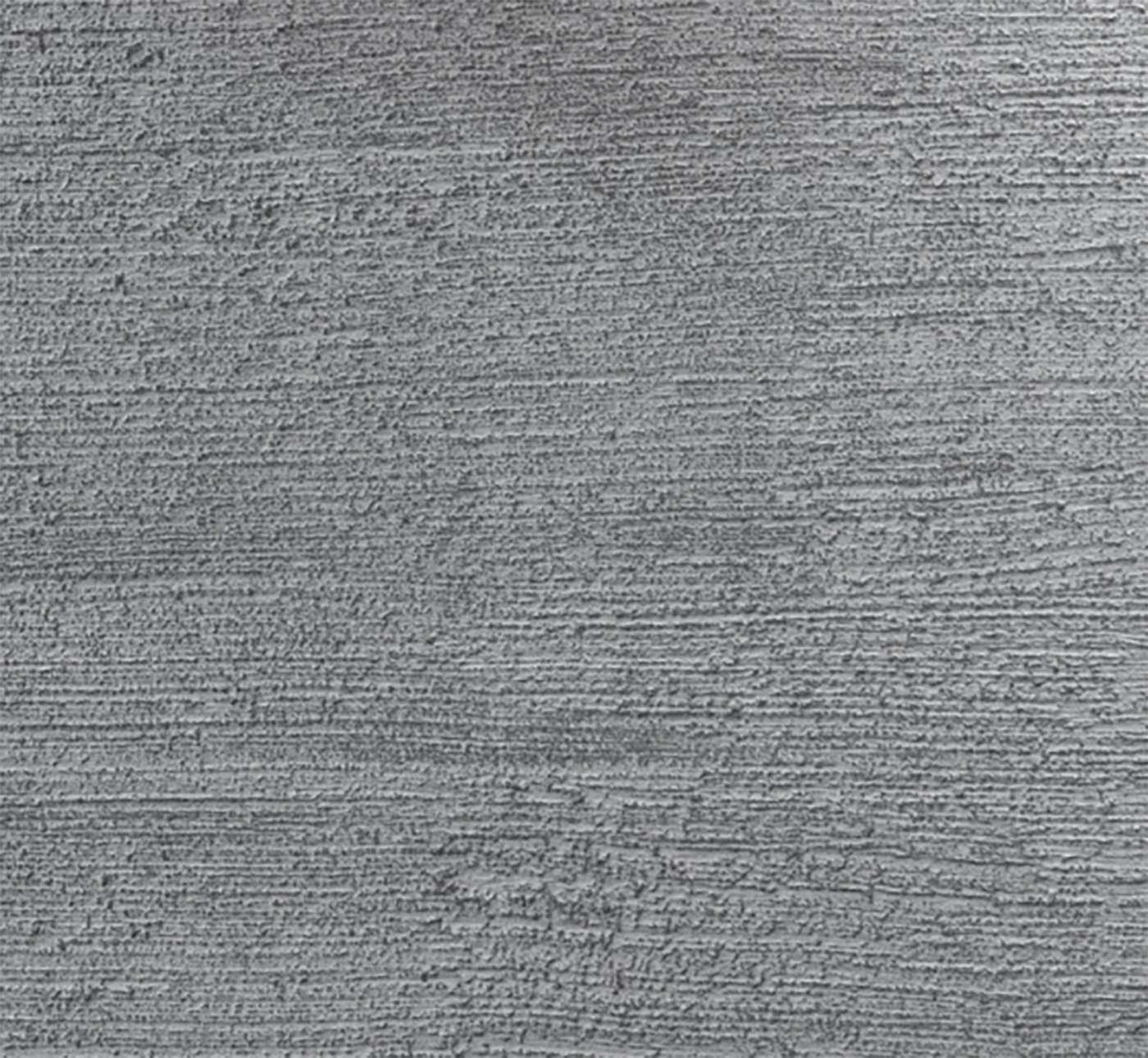
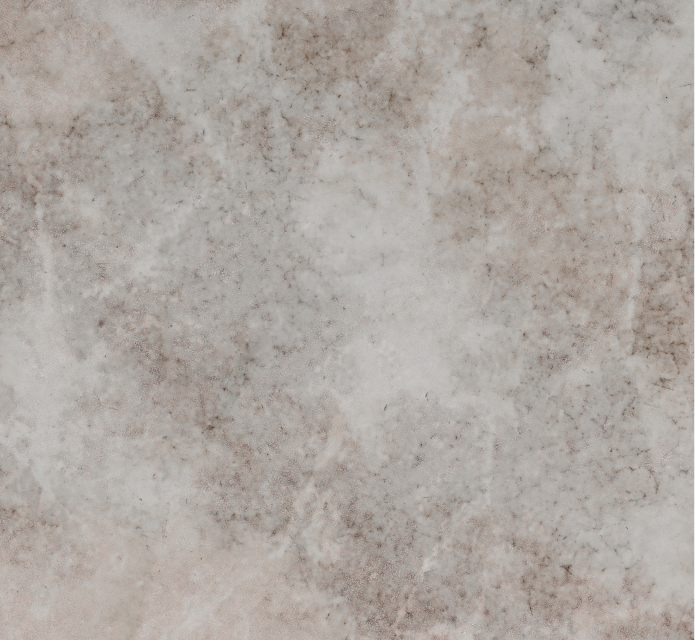
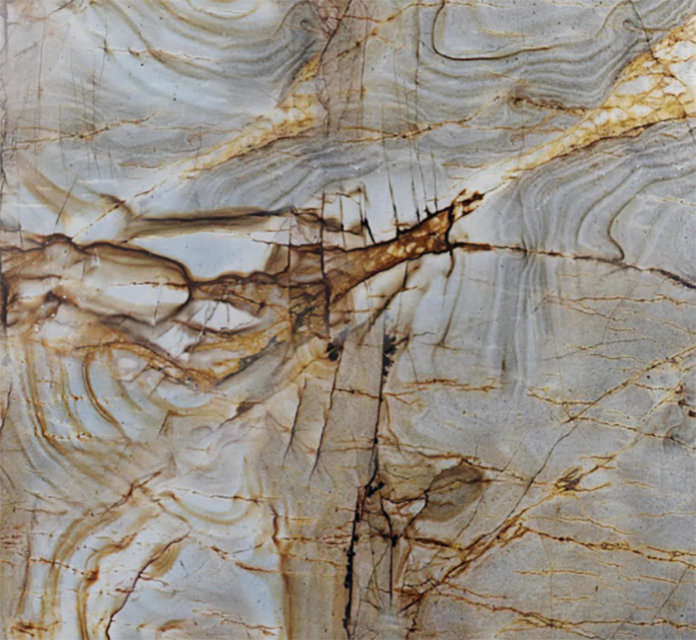
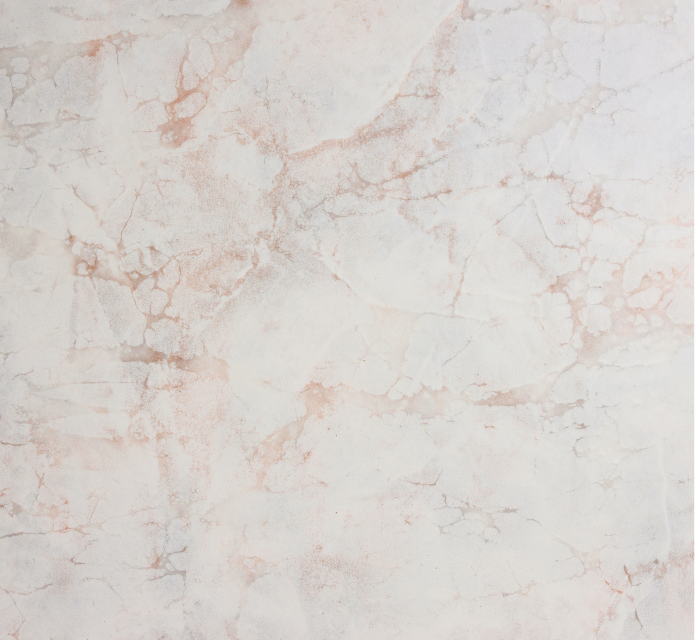
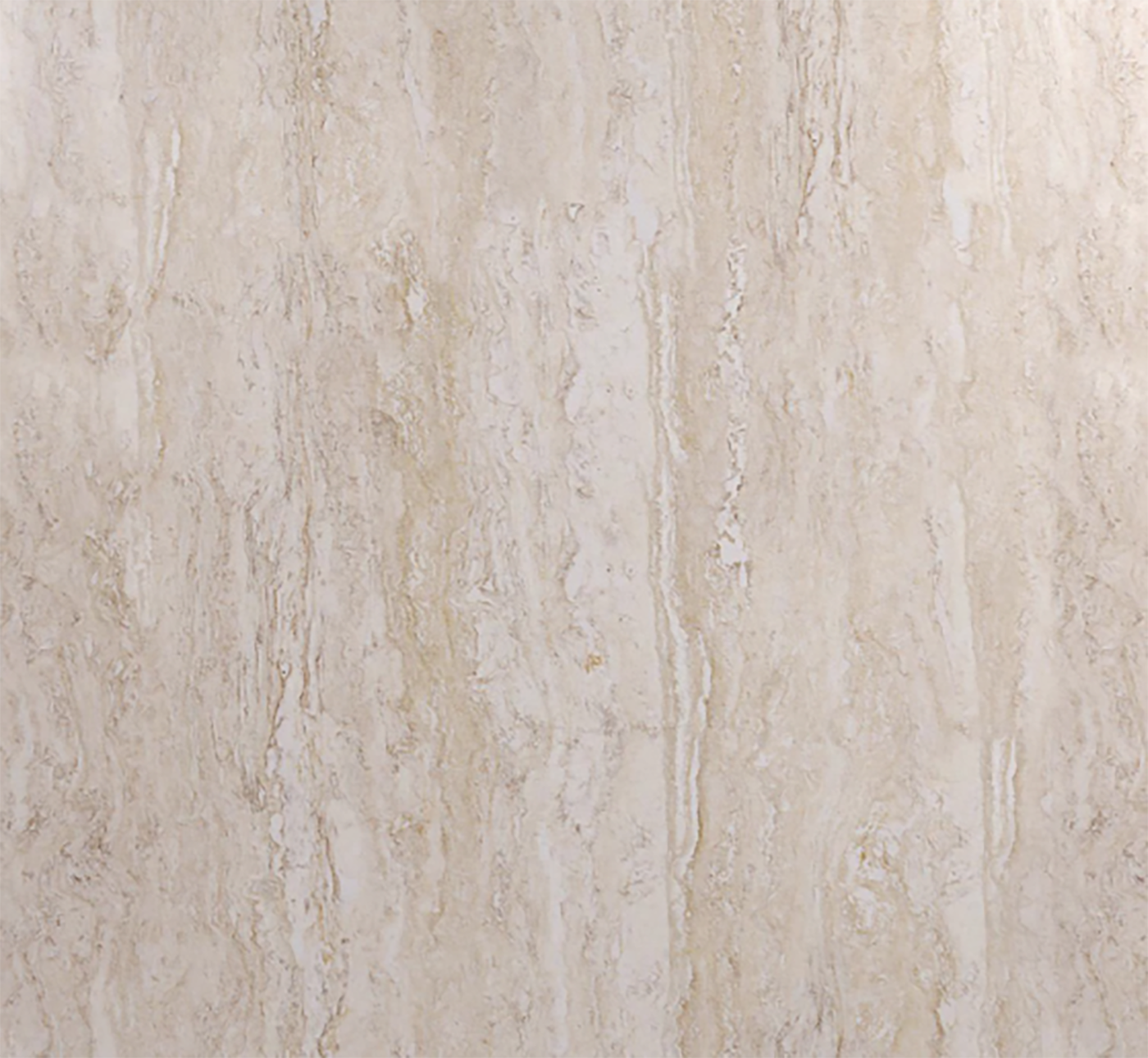
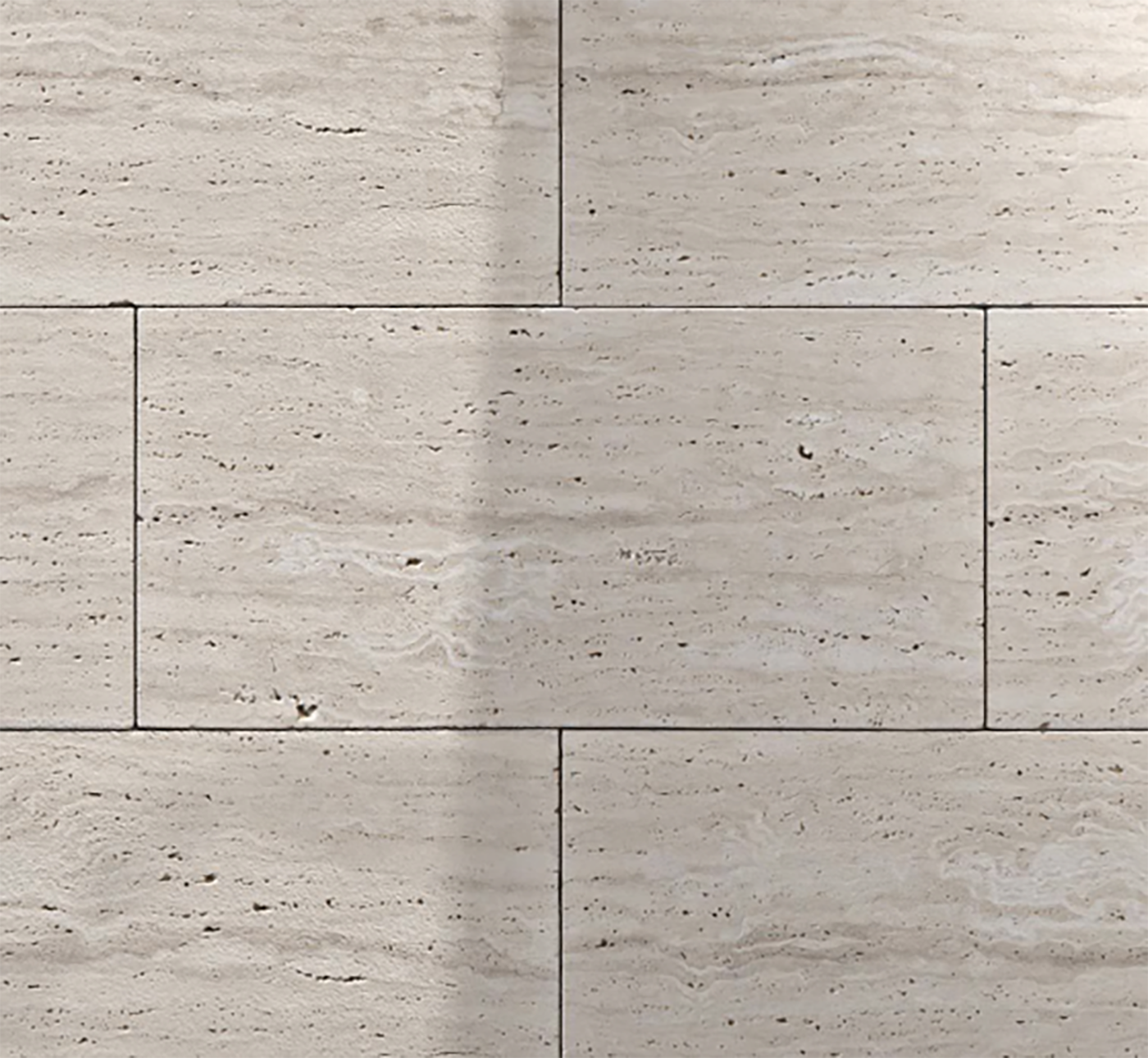
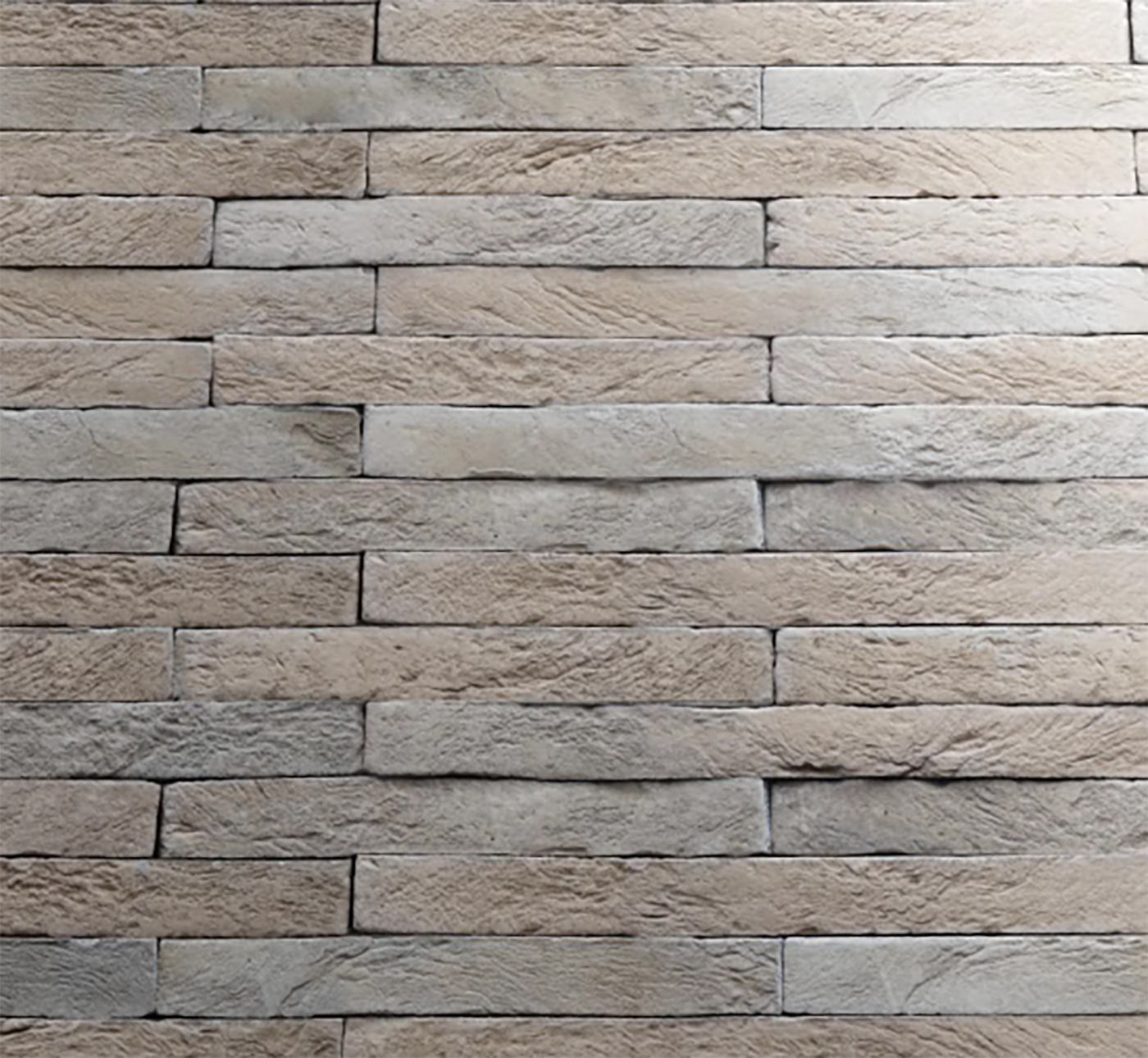
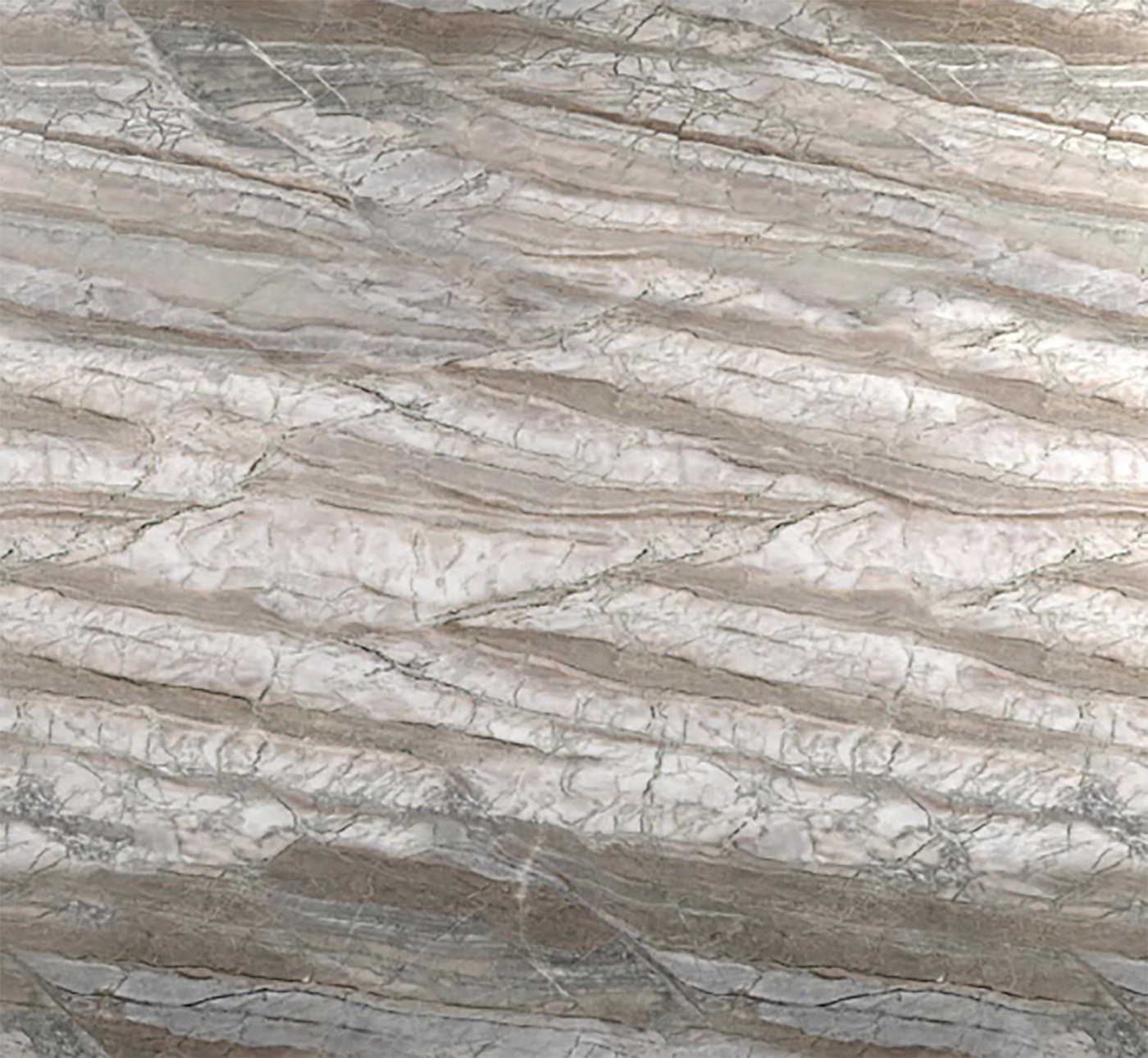
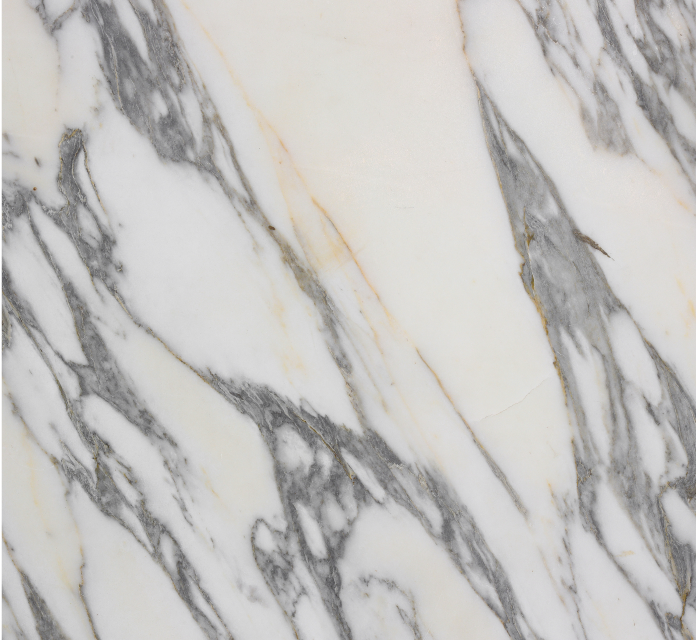
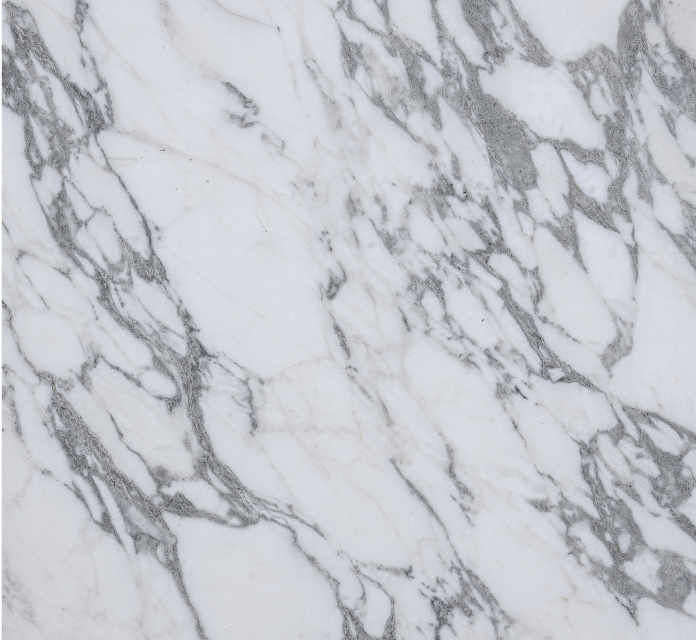
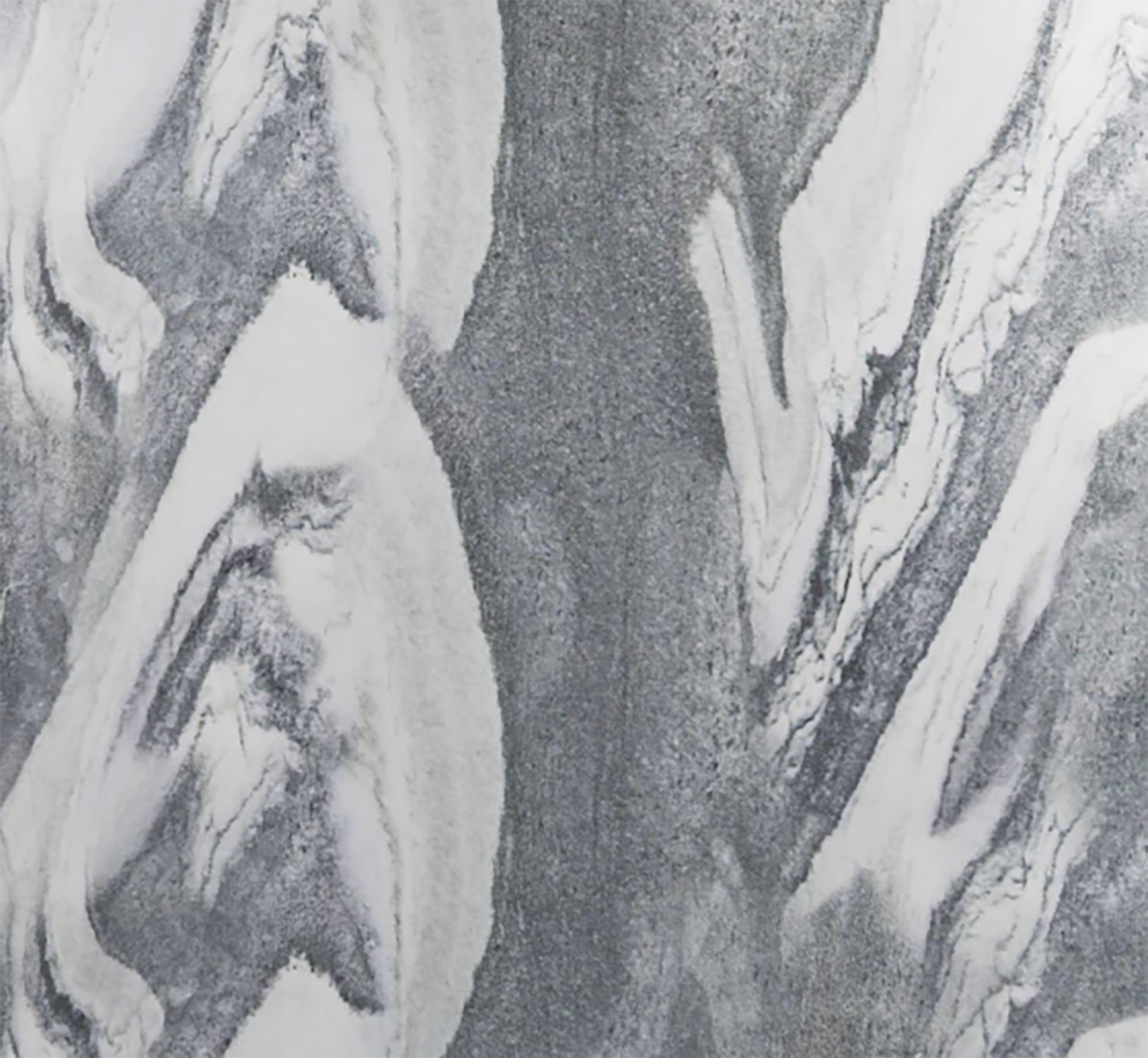
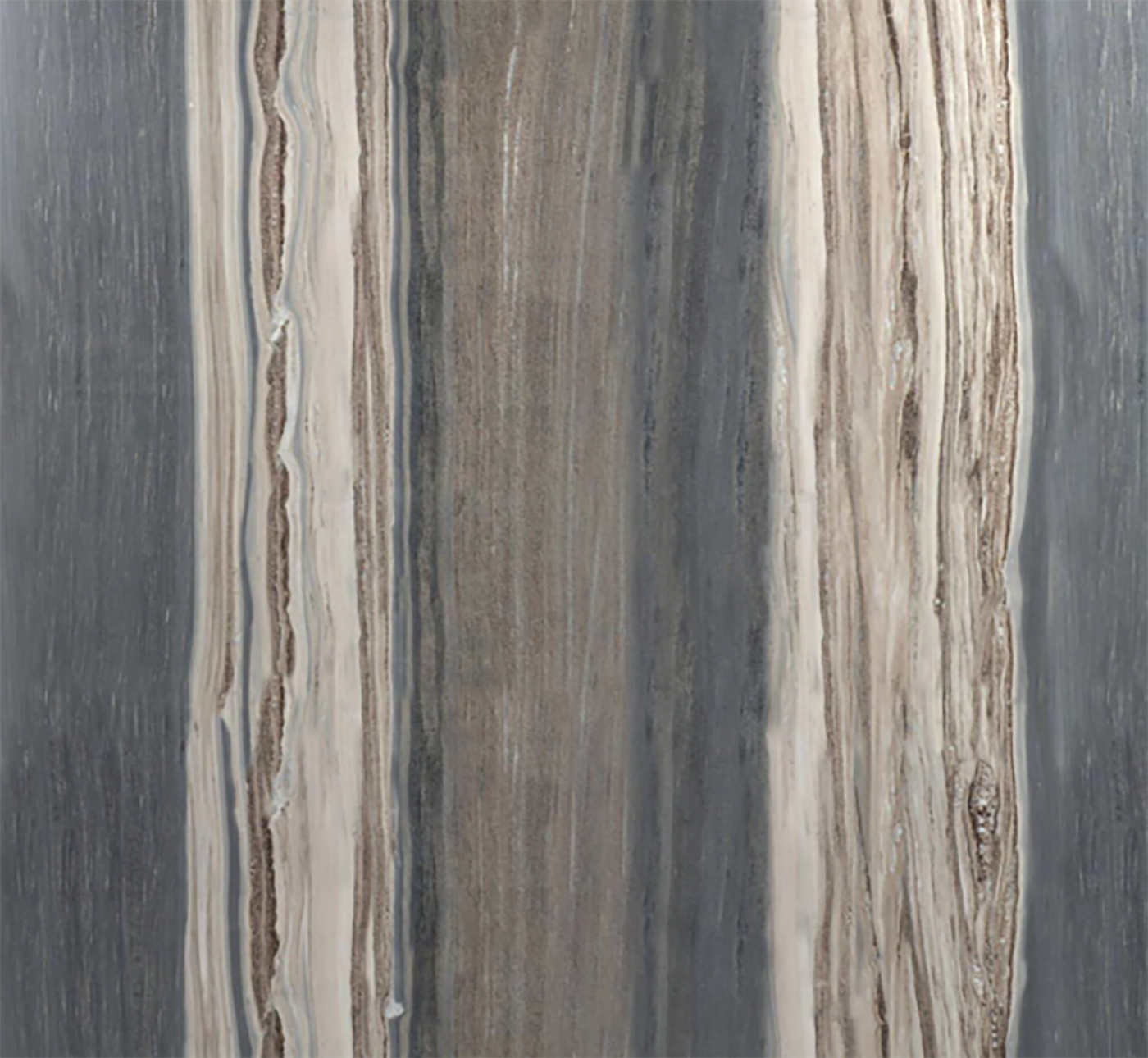
Building on the atrium’s original fish skin motif, the surface was refined with increased three-dimensional depth, enhancing its presence without overpowering the space. Finished in Perlato Luna marble, the surface supports the textured pattern while maintaining a calm and refined architectural presence. Integrated lighting further enriches the surface, reinforcing continuity across wall and ceiling.

Illuminated Spatial Experience
Once illuminated, the ArtMorph installation transforms the atmosphere of the atrium. Light emerges directly from the textured surface, extending seamlessly from wall to ceiling and amplifying the perceived depth of the space without introducing visual clutter.
The illuminated fish skin pattern responds subtly to changes in viewpoint and movement, adding dimensionality and a sense of motion to the space. The result is a calm yet immersive environment that enhances the passenger experience while maintaining clear circulation and functional clarity within one of the ship’s most active public areas.

Reliability in Complex Architectural Applications
Following installation, the ArtMorph surface operates continuously as part of the atrium’s daily environment. With no moving components and low maintenance requirements, the system supports long-term operational stability while maintaining consistent visual quality over time.
The MSC Magnifica project demonstrates how ArtMorph can perform reliably in complex, large-scale, and performance-driven environments. Beyond its visual impact, the installation confirms ArtMorph’s readiness for architectural integration in demanding contexts where durability, safety, and reliability are as critical as design expression.